Best Practices for TV Commercial Production: A Complete Guide
A step-by-step guide to producing a successful TV commercial from pre-production planning and scriptwriting to casting, filming, editing, and distribution backed by 2026 viewership and recall data.
%20Large.jpeg)
How to Make a Successful TV Commercial: Step-by-Step Guide
The fact is that a TV commercial remains one of the most effective mediums for reaching a diverse array of target audiences, and Nielsen's 2026 data backs that up: ad-supported TV still accounts for roughly 73 to 74% of overall TV viewing in the US. Despite the increased digital and social footprints in our lives, television remains a trusted medium that adds credibility, ensures high brand recall, and allows for deeper emotional connections with viewers. Comcast Advertising's own 2026 research found unaided brand recall rising up to 8.7 times when TV is added to a search campaign. But creating the kind of TV ad that truly generates results is no easy process. It's the sum of a clear strategy, compelling storytelling, impactful work, and great execution from start to finish.
If you're wondering what it takes to create a successful TV commercial, then planning is the key. Every single aspect of the production process from conceptualizing to scripting, storyboarding, filming, and editing must be meticulously executed. Knowing how to make a successful TV commercial efficiently saves you time and money while delivering a professional-looking product that engages your intended viewing audience.
Pre-Production Planning
A TV commercial's performance begins long before the cameras roll. Pre-production is key to the whole cycle. It's the point at which vision, goals, and tactics intersect.
The following are the crucial stages of planning a TV commercial:
- Determine your goal: Be clear on what message you have in mind. Are you selling something, raising awareness, or encouraging users to take action?
- Get to know your audience: Who you're speaking to will help guide the tone, visuals, and content of your ad.
- Have a budget: A budget helps you manage creativity with reality, whether you produce a video in-house or bring in outside help. Production costs vary a lot by scope; see real cost tiers from recent TV commercial work for a sense of range.
- Develop a schedule: Schedule deadlines for scriptwriting, giving yourself enough time to shoot, editing, and final client approval to ensure everything stays on track.
This is the point at which you need to work as a team — and communicate clearly. Adhering to best practices for TV advertising for your business, many businesses spend most of their time in pre-production to avoid any unwelcome surprises during shooting. If you're weighing whether to handle this in-house or bring in outside help, our piece on full-service production benefits is worth a read.
Scriptwriting and Story Development
Your commercial is only as good as the script it's based on. The best ones tell a good story in 30 seconds or fewer. The opening matters more than most people budget for: Comcast Advertising's research found viewers 26% more likely to focus on a TV ad's brand message than a mobile ad's, and spent 36% more time actually looking at it.
These writing tips are a great way to master how to make an effective TV commercial:
- Beginning with a strong hook: How to grab attention in the first few seconds.
- Please keep it simple: Avoid overwhelming the reader with excessive data.
- Show, don't tell: Display how your product offers value rather than simply describing it.
- Work in a strong CTA: Let your audience know what you want them to do next — direct them back to your site, make a purchase, or find out more.
A strong creative idea rarely needs more than 30 seconds to land. One of the best practices for advertising your business on TV is through effective storytelling, which creates an emotional connection.
Storyboarding and Visualization
Now that you've written your script, it's time to see it in a storyboard! Storyboarding translates words to images and steers the crew and director during production.
If you want to know how to plan a TV commercial effectively, this step is crucial. A storyboard includes:
- Visual sketches of each shot
- Camera angles
- Scene transitions
- Comments on lighting, music, and effects
- Notes on extra footage or b-roll you'll want as reusable video assets during editing
Storyboarding is a way to get everyone on the same page about what you're making before you actually make it. This phase is crucial to ensure everything works smoothly during shooting and avoids costly reshoots.
Casting and Location Scouting
The next piece of your successful TV commercial is all about finding the right people and places.
- Casting: Pick actors or announcers that resonate with your brand and target audience. A real performance makes your ad more empathetic and relatable.
- Location scout: The site provides mood, tone, and context. Whether you're shooting inside or outside, ensure the location fits the story and has adequate lighting and sound.
How to make a successful TV commercial? It begins with good casting, appropriate locations, and ensuring that schedules do not conflict in terms of time or budget-wise. Whether you're trying to make a commercial for a local market or a national campaign, these decisions shape everything downstream.
On-Set Execution
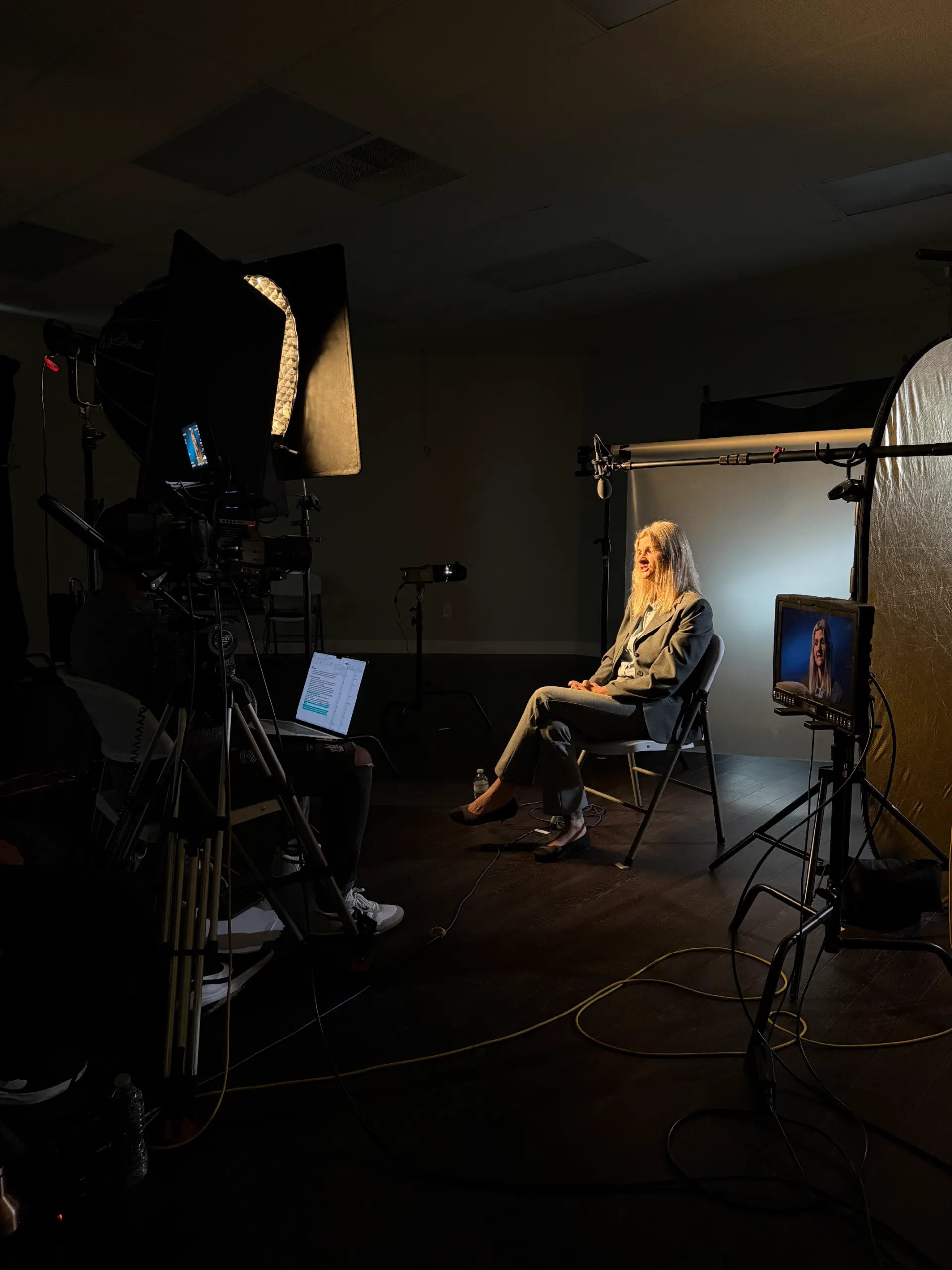
Production is the point of no return: all planning must turn into action. This is where tips on successful TV commercials are beneficial.
Best approach to filming a commercial:
- Please adhere to the storyboard: Please adhere to the storyboard, as it provides a common understanding of the creative intent.
- Create the right lighting: Proper illumination, including a basic three-point lighting setup, will set the mood, making each shot bright and clean.
- Capture clean audio: Nothing says amateur like muffled dialogue, weak audio levels, or messy background noise.
- Film multiple takes: It's great to have options in post-production.
- Remain flexible: No matter how much planning is done, unexpected hiccups are part of the mix — and flexibility is key.
A well-run set ensures that your shoot is on time, on budget, and accomplishes the creative ambition. Team Unity Media's Wren Kitchens TV commercial is a good example of this production approach in practice: founder Gordon Garreau built the company's on-set discipline around exactly this kind of no-nonsense execution.
Post-Production
Editing, sound design, and visual effects turn raw footage into a finished television ad. This step is the make-or-break moment for your result.
To master how to make a good TV ad, here are some of the post-production elements to consider:
- Editing: Trim off any excess footage and maintain a tight pacing to keep viewers' attention, using modern editing software.
- Sound design: Include background music, a jingle, or sound effects that fit your tone. This is also where a disclaimer gets mixed in if the commercial needs one, and any claim the ad makes should hold up under the FTC's truth-in-advertising standards.
- Color correction: Ensure your visuals look polished and professional through color grading.
- Voice-over recording: A clear, good voice for the message is ideal.
- Add logo and branding: Include your brand consistently at the end of the ad.
Best practice tips for creating videos and successful TV commercials also recommend testing your video content with a smaller group of people before it is released. Listen and adjust as needed.
Distribution and Performance Tracking
Your work isn't over even after the production ends. Learning how to create a TV commercial also involves understanding where and how it will be aired.
Here are the best practices for TV advertising for your business:
- Select the optimal time slot: Broadcast your ad when your target audience is most likely to be watching.
- Choosing the Perfect Channels: Focus on local, national, or cable channels, or connected TV, depending on your market. Innovid's own measurement data shows 15-second a 30-second CTV ads completing at 94.5% and 94.1% respectively, well above what most digital platforms manage. Our guide to streaming TV advertising covers how that inventory works in more depth.
- Measuring performance: Monitor the success by brand recall, website traffic, or product sales. Comcast Advertising's research also found unaided recall rising 1.8 times when TV is paired with a social campaign and 1.6 times when paired with podcast advertising. For a deeper look at measuring a campaign once it airs, see our guide to performance vs. brand TV advertising.
Knowing what works in your ad so you can replicate it in future campaigns is key to playing the long game.
Tips for Effective TV Commercials
Below are some simple yet effective tips, including a few production tips that apply no matter your budget, to help you make a TV commercial that resonates with your viewers and keeps them talking.
- Single-minded focus: Make your commercial about one clear, focused message. Those are just too many messages for the viewer's brain to process.
- Make it short and sweet: Attention spans are short. Shoot for 30 seconds or fewer. Every moment matters.
- Leverage human emotions: Whether it's joy, surprise, or compassion, emotional resonance is a way for people to recall your brand.
- Show off your brand upfront: If the video is about your company, ensure that you present and display your brand name and logo in the first few seconds, so viewers immediately recognize it as yours.
- Conclude with a strong call-to-action: Clearly communicate to viewers what you'd like them to do once the ad ends — visit your website, make a call, or make a purchase.
- Professional production quality: Clear visuals, crisp audio, and good lighting make your ad look professional and appealing.
- Test and refine your ad: Gather feedback before full release and make improvements for a better outcome.
By the time you have finished with these steps, not only will you know how to make a successful television commercial, but it will also be impactful, memorable, and perform well for your brand.
Conclusion
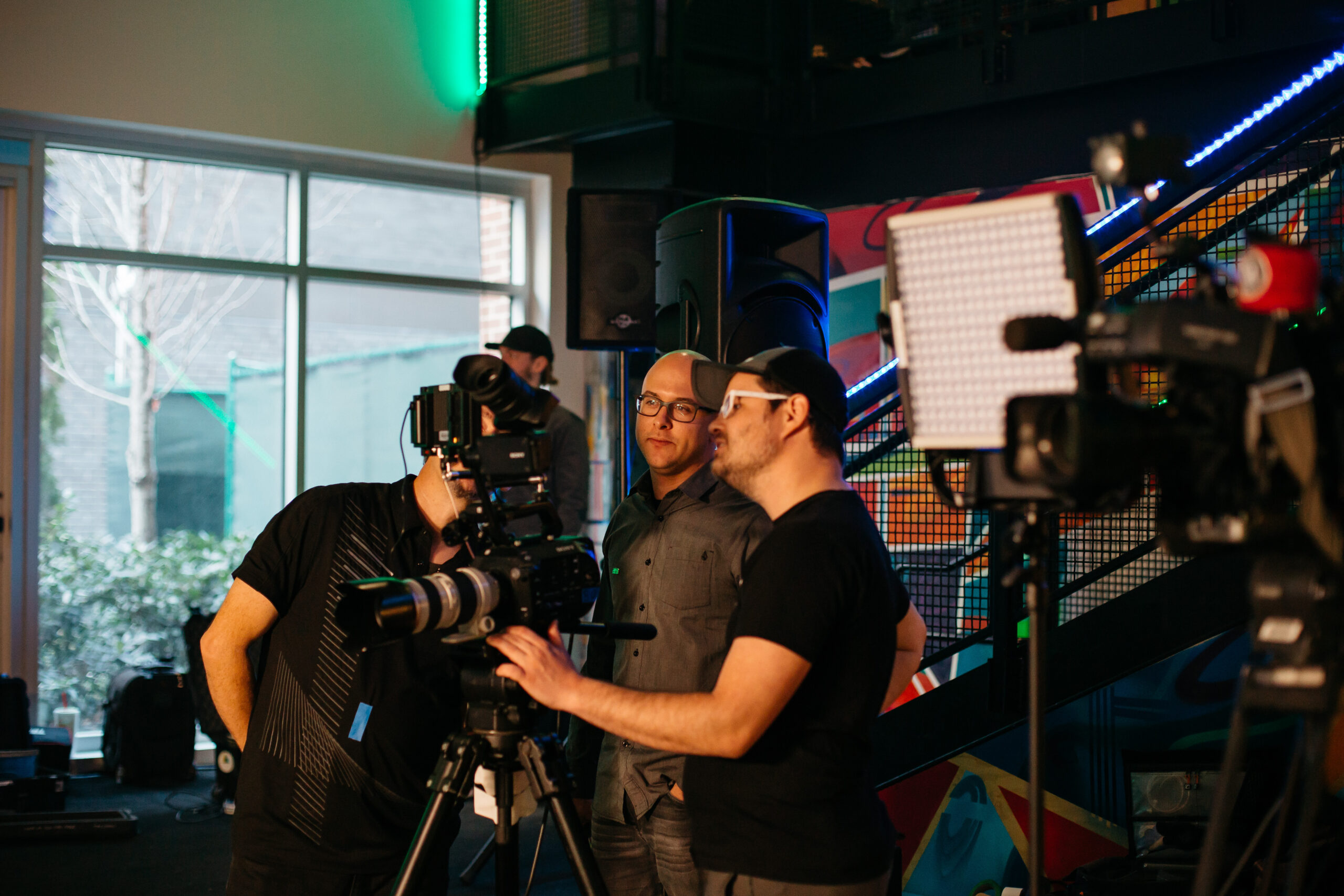
From creating a TV commercial to directing on set and completing it in post-production, the entire process demands attention to detail and skill. By following best practices in TV advertising, you can build ads that engage, inspire, and successfully drive conversions.
Team Unity Media is a video production company well-known for professional TV commercial production. With years of expertise and a skilled creative staff, we focus on transforming business concepts into compelling visuals. From idea to screen, Team Unity Media ensures your branding is clear and memorable. If what you are after is a partner who knows best practices for shooting commercials and can provide tips on how to make effective TV commercials, Team Unity Media should be your ideal choice. We bring a blend of creativity, ingenuity, and service to ensure the success of every commercial. Browse our portfolio or start a project if you're ready to talk specifics.
FAQs
1. What are the best practices for shooting a commercial?
The two secrets are having a pre-production plan, finding the perfect cast and location, ensuring consistent lighting and good audio, and sticking to the storyboard. You can never have too many takes, and your shoot will be organized, yielding great results.
2. How do you create a profitable TV commercial for your business?
Have a clear message, selectively choose your audience, keep it short, and tell the tale. It is equally important to include a strong call-to-action and good sound production if you want your commercial to be distinctive.
3. How long should a TV commercial be?
Most run 15, 30, or 60 seconds. Thirty-second spots remain a common standard, with strong completion rates on connected TV in particular. Shorter cuts work well for awareness or retargeting once a longer version has already run.
4. Do I actually need a storyboard before filming?
Yes. A storyboard keeps the director, crew, and client aligned on camera angles, transitions, and pacing before production costs start piling up. Skipping it is one of the more common reasons a commercial ends up needing expensive reshoots.
5. How do you measure if a TV commercial worked?
Track brand recall, website or landing page traffic, and sales lift after the campaign airs. TV consistently builds stronger unaided recall than search, social, or audio streaming when it's part of the media mix, so a recall lift study or a simple before/after traffic comparison is usually a more useful early signal than waiting on full sales data.
Related Posts


.png)
.png)