User Generated Content vs Professional Video: How Smart Brands Know When to Use Each
User generated content and professional video look like a budget fight, but they do different jobs. This guide compares the two on trust, message control, cost, speed, and reach, with real cost ranges for each. It covers when creator clips make sense, when studio work is the better investment, and how to combine them with one anchor film cut down into social clips and supported by customer-style videos. It also covers the mistakes that cost brands results, including choosing by upfront price and skipping usage rights and disclosure.

User Generated Content vs Professional Video and Where Each Wins for Your Brand
User generated content vs professional video looks like a budget fight, but smart teams treat it as a job assignment. UGC earns trust and tests ideas fast. Polished work carries your story and holds up for years. The difference between UGC and professional video is the job each one does, not which one wins. When to use UGC vs professional video comes down to the job. This guide helps any marketer build a video content strategy with real costs and a simple framework.
Key Highlights
- Each format does a different job, so choosing only one costs results.
- A paid creator clip averages roughly $150 to $212. A basic studio film starts near $8,000.
- Polished work wins on credibility and message control. UGC wins on trust, speed, and testing.
- Platform matters. Native feeds reward UGC, while broadcast, CTV, and your own site need polish.
- The strongest plan runs both in one smart mix.
Why Smart Brands Do Not Choose Between UGC and Professional Video
Most teams ask which format is better. Smart teams ask what each clip needs to do.
What Each Format Actually Does Well
- UGC: Earns trust, shows real users with a product, and produces authentic video content in many versions, cheaply. It reads as authentic content because the people on screen are real.
- Studio work: Sets the look, explains complex offers, and works on every screen, from phones to TV.
Why Treating This as Either-Or Costs Brands Results
The money is already splitting. WARC data reports that, per GroupM figures, studio-made content is set to make up 51% of content-driven ad spend in 2025, down from 72% in 2019.
Press Gazette reported that WARC expects user-generated content from creators to overtake studio-made media in ad spend by 2026.
Picking one side has a cost:
- A plan with only creator clips can look thin when buyers check credibility.
- A polished-only plan feels like traditional advertising in a social feed.
- Both shape a buyer's experience with your brand, so your marketing efforts need both.
In modern marketing, a smart video content mix is a safer bet than a single format.
What User Generated Content Actually Is and Why Brands Use It
User-generated content has become a core part of the marketing ecosystem. It is images and videos, or social media posts, made by real customers or creators with no script. Some teams call it consumer-generated content. A useful way to sort it is by who pays for it, because that decides how much say the company has over the final clip. It takes two forms:
- Organic UGC: Customers post on their own. Think unboxing videos, user reviews, and Instagram posts that tag your product. These show real experiences on social media accounts you do not control.
- Paid UGC: UGC creators for brands film customer-style clips on contract. This differs from influencer marketing, which rents a creator's audience, and from sponsored content, which a company scripts. It is a type of content built to look native on social platforms.

The benefits of user-generated content start with trust:
- It is a powerful form of social proof, because real users have nothing to sell.
- Done well, user-generated content marketing turns that trust into powerful social proof at every stage. Google research found that 79% of surveyed U.S. Gen Z viewers trust creator recommendations on YouTube.
- Teams also gain valuable insights from comments, which show how people talk about a product.
A steady UGC program turns customer content into genuine content you can reuse. Teams generate content by asking buyers for short clips after a purchase. Testimonials are an easy way to start. The power of UGC grows when you collect user experiences on purpose.
Teams often mix up the two main routes to creator-led reach. An influencer brings a following, while a customer brings a story. A shopper's review carries real experiences that a scripted ad cannot copy, and readers can tell the difference. Influencer partnerships suit reach goals. Customer stories suit trust goals, and they help build trust because buyers see people like themselves. A team that tracks both can see which route moves buyers closer to a purchase, and which one only earns attention.
Content moderation is crucial though. The FTC guidance says a company giving free or discounted products creates a financial relationship, and the disclosure should be in the clip, not just the description.
What Professional Video Production Delivers That UGC Cannot
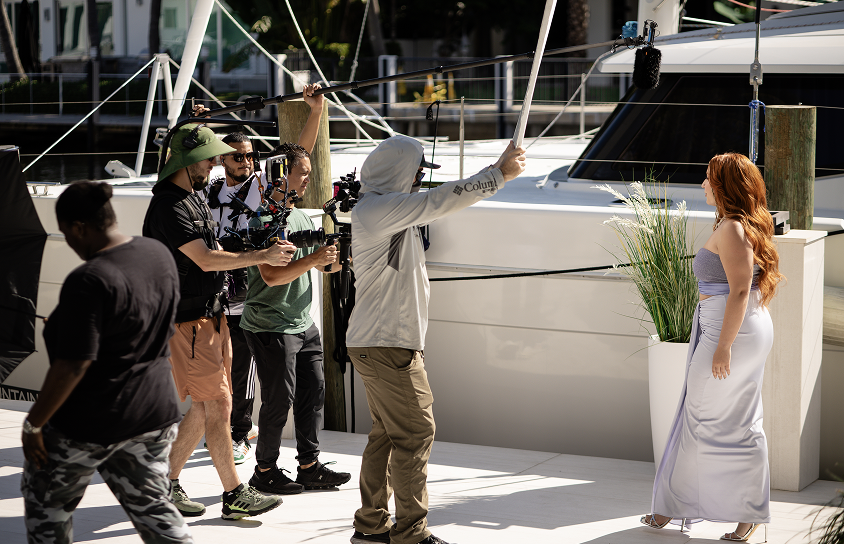
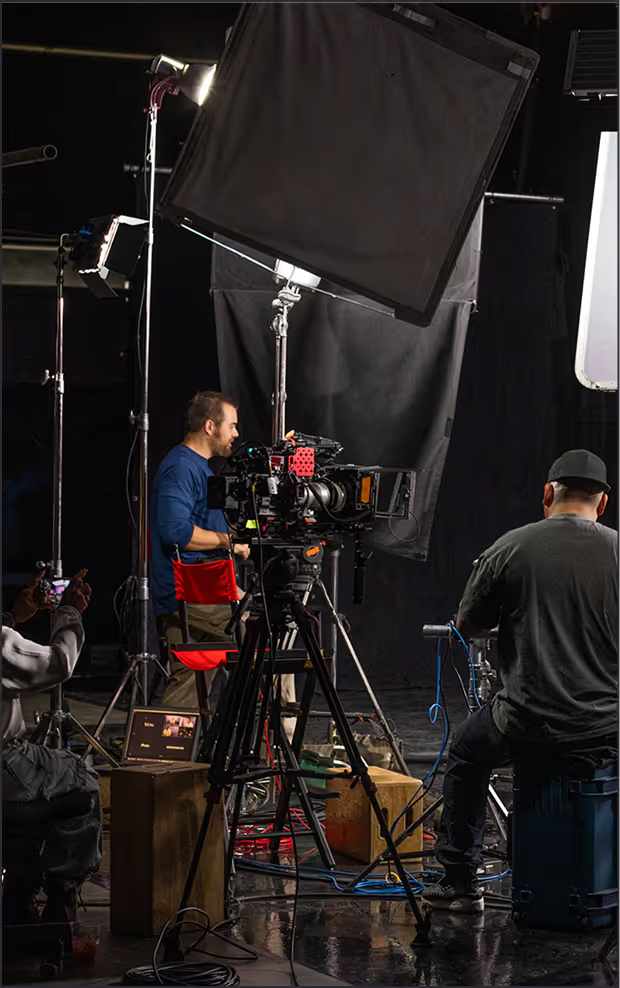
Studio work is scripted, directed, lit, and edited by a trained crew. Strong content creation starts with a script, and the result is polished content you control from the first word to the last frame.
In the professional video production vs UGC content debate, here is what the studio side brings:
- Reach across screens. One asset runs on your site, in sales calls, at events, and on TV, which is how professional video production ROI builds over time.
- Professional video production quality. Clean audio, a consistent look, and formats built for broadcast and CTV.
- Full approval control. Every word, frame, and claim is approved before it goes live.
Browse the best corporate video examples to see the range.
The cost is higher. Team Unity Media's cost guide lists a single-location shoot at $8,000 to $20,000 and a higher tier at $25,000 to $75,000.
The Direct Comparison Smart Brands Actually Use to Decide
The user generated content vs branded video debate, or UGC vs professional video production as some teams frame it, usually focuses on looks. But UGC video vs professional video quality is only one of five tests.
When Smart Brands Choose UGC
Smart teams pick creator clips when speed, trust, or volume matters:
- Social media ads. UGC for social media ads fits feeds because it looks native. Meta reported that adding partnership ads to regular ads lowered cost per action by 19% in its own tests, a sign of strong UGC video ads performance.
- Native formats. Spark Ads let an advertiser run a creator's organic TikTok post as an ad.
- Testing. UGC videos let you try new hooks before you pay for a shoot.
- Proof near the sale. Reviews help buyers build trust before they buy.
- Fast launches. A product can ship with UGC examples in days, not weeks.
Video performance by platform varies. Social media platforms like Instagram and TikTok reward quick, native clips. Using UGC there makes sense, while a long film fits better on your site.
The best strategies for mobile video ads show which formats fit. A solid social media strategy reaches social media users where they already scroll.
Smart Brands Invest in Professional Video
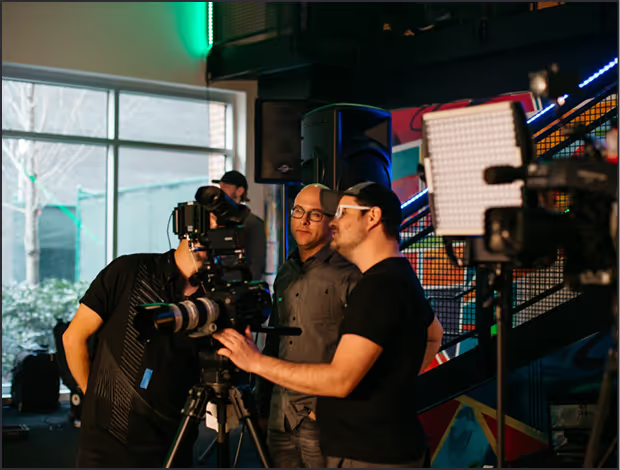
Smart teams pay for studio-made work when credibility, reach, or shelf life matters:
- Anchor films and launches. Branded video production sets the look, and a branded content strategy needs one clear anchor story.
- B2B buyers. In corporate video vs UGC, polish tends to win when a team must justify a purchase, and professional corporate video vs UGC holds the same edge in recruiting.
- Big screens. TV, CTV, and live events demand sound and framing that phone clips cannot meet.
- Complex products. Some offers need a script and graphics.
- Long-life assets. One strong film feeds years of cutdowns across your marketing campaigns.
See our past video projects for what polished work looks like.
How Smart Brands Run UGC and Professional Video Together
Here is how brands use UGC and professional video together:
- Shoot one anchor film. A trained crew captures the story and product shots.
- Cut it down. Editing turns that shoot into short clips per platform.
- Add creator clips. Brief content creators for customer-style clips, then boost the best ones.
- Test and scale. Move budget to what wins.
- Distribute. Place winners in front of the right audiences.
This mix gives you a variety of content for each stage of the buyer path. A clear UGC strategy tells you what creator clips to commission, and the anchor film keeps the message steady. Content marketing and digital marketing teams can then reuse every asset, whether it came from a studio or a customer.
Google’s own tests support this mix. Its creator ads article says pairing polished ads with creator ads makes both more powerful. A mixed approach like this gives your team polished work and fresh clips to test side by side.
The professional half of the mix covers the anchor film, short-form ad cutdowns, and social edits, and branded content production is where those pieces come together. Winning clips then need video distribution and targeting to reach the right audiences. Teams that want a creator-led angle can add endorsements, and a production company can plan the shoot days around the cutdowns.
The Mistakes That Happen When Brands Are Not Smart About the Choice
- 1. Choosing by upfront price. Ten creator clips cost roughly $1,500 to $2,100 before usage rights. One studio film starts near $8,000. The right comparison is cost per use, not cost per file.
- 2. Picking the wrong format for the platform. A glossy spot feels out of place in a short-form feed. A phone clip feels thin on a homepage or CTV.
- 3. Skipping rights, disclosure, and review. The FTC Endorsement Guides say your company is responsible for what others do on its behalf, so train and monitor your creators. Get written usage rights too.
For more, read these video marketing mistakes businesses make.
The Bottom Line
Use creator clips to earn trust and learn fast, and studio work to set the standard. Together they cover every stage of the buyer path.
Team Unity Media is a Boca Raton production company and CTV agency with crews in 345+ cities. We shoot your anchor film, cut it into social clips, and place it where buyers watch.
Ready to build your mix? Start your corporate video project.
Related Posts