Mini Documentary for Business: What It Is, Why It Works, and How to Make One
Most company promos look alike and are forgotten quickly. A mini documentary follows real people doing real work and lets the story carry the message. This guide covers what the format is and how it differs from a brand film, five formats that fit most business needs, and how to find the right story before booking a crew. It also walks through planning, filming, and editing one, where to use it, and the mistakes to avoid.
Mini Documentary for Business That Makes Your Brand Worth Watching
Most company promos look alike. They are bright, scripted, and forgotten by lunch. This format goes the other way. It follows real people doing real work and lets the story carry the message. This guide covers what the format is, why viewers believe it, and how a corporate video crew plans, films, and edits one.
Key Highlights
- A mini documentary is a short, true story told by the people inside an organization.
- It feels observed, not staged, so it comes across as honest.
- Five formats cover most needs, from founder stories to process films.
- Find the story first. Book the crew second.
- One shoot can feed a full film and several cutdowns.
What a Mini Documentary for Business Actually Is
It is a compact non-fiction film with one subject and one question. Definitions of length range from about two minutes to thirty, so let the platform and the story set the runtime. Think of it as a short documentary for business: real voices, real places, no actors.
It also differs from a brand film. A brand film pushes a message. This format shows evidence and lets people decide. A documentary style corporate video sits in between, with a cleaner look but unscripted answers. Many marketers start from branded content and add unscripted methods. The result is branded documentary content that feels earned.
Why the Mini Documentary Format Works When Other Brand Videos Do Not
Video is routine now, so sameness is the real problem. Four findings frame the choice:
- Video is everywhere. DataReportal reports that 94.6% of online adults watched online video in the past 30 days.
- Authenticity pays. In an Emplifi survey of more than 1,600 US and UK consumers, 93% said authentic engagement earns trust, and 85% would pay more for companies they see as authentic.
- Familiarity wins. Edelman found that 7 in 10 people hesitate to trust those unlike them, and employers are best placed to bridge that gap. A film where your own people speak plainly can fit that moment.
- People choose real stories. Ampere Analysis found 24% of monthly YouTube users watched documentaries, in research fielded in early 2025.
Business stories already have an audience. People stream business documentaries and TV shows online.
Steve Jobs: The Man in the Machine traces the Apple co-founder, with archival footage of Steve Wozniak, and Inside Bill's Brain on Netflix looks at Bill Gates.
WeWork: Or the Making and Breaking of a $47 Billion Unicorn covers a billion dollar rise and fall, and HBO's The Inventor examines Theranos.
The Startup Kids, a crowdfunded 2012 film, features the people behind Dropbox, SoundCloud, and Vimeo.
Smaller-scale films work too. Jiro Dreams of Sushi follows renowned chef Jiro Ono, and The Pixar Story tells the history of an animation studio.
Each offers a candid look at how an organization or craft takes shape, which suits long-form watching.
Entrepreneur stories are a natural fit. They show entrepreneurship as lived, not as a slogan, and the entrepreneurial path rarely runs straight. An eye-opening admission of a mistake can show more business acumen than a claim of expertise. A film about lives as an entrepreneur can show doubt as well as wins, so even a groundbreaking venture in the tech ecosystem feels human.
Stories about the highs and lows behind a startup or its leaders give audiences something to follow, which a feature list does not.
That is the case for a mini documentary for business that builds trust. It is authentic brand content and a brand storytelling video in one. For mini documentary content for companies, the lesson is simple: show the people.
The Business Mini Documentary Formats Worth Knowing
Good business mini documentary ideas start with a format. Here are five that work as a mini documentary video for brands:
A behind the scenes brand documentary is usually the process film. It shows craft and innovation without a pitch. See our video examples for more styles.
How to Find the Right Story Before You Book a Crew
How to make a mini documentary for business starts with a person, not a product. Ask three things:
- Who faces a challenge?
- What changes by the end?
- Why would a stranger care?
A simple test: if you can name the person, the problem, and the change in one sentence, the film has a story.
Give the story a spine. One clear theme per film keeps it tight. Find the journey behind the business dreams of one leader or employee, ask what they chased, and explore what stood in the way. A good film can entertain and still leave one insight.
Underdog stories are strong. A small shop against a giant is a classic David and Goliath tale. Even a dry topic like economics, commerce, or management principles gets human when one person owns the stakes.
Vans offers a useful case: it financed Dogtown and Z-Boys, a skateboarding film with a budget of about $400,000, per Wikipedia. The film centers on the Zephyr skaters, not the shoes.
Penn State's Media Commons advises picking one angle instead of covering a whole topic. Do the same.
How to Plan a Mini Documentary for Business
A documentary script for business is an outline, not word-for-word lines. Write the central question, a list of question prompts, and the scenes you hope to catch. Real answers are the point.
Branded mini documentary production works best when this outline comes first. Settle the question, the subjects, and the shooting days before anyone books gear. That keeps the film honest and the budget predictable.
Then handle the logistics:
- Scout the location and confirm access for the on location documentary shoot.
- Collect signed releases from everyone on camera.
- Choose two or three subjects who speak naturally.
- Agree on who approves what, and when.
- Draft a simple budget for crew days, travel, and edit time.
How to Film a Mini Documentary for Business
- Arrive early. Let people settle before the camera rolls, and use natural light where you can to keep the look observational.
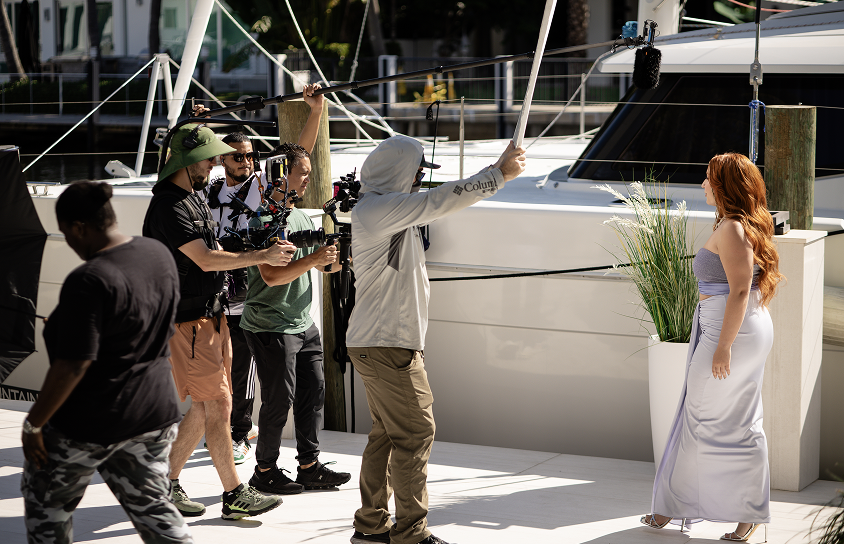
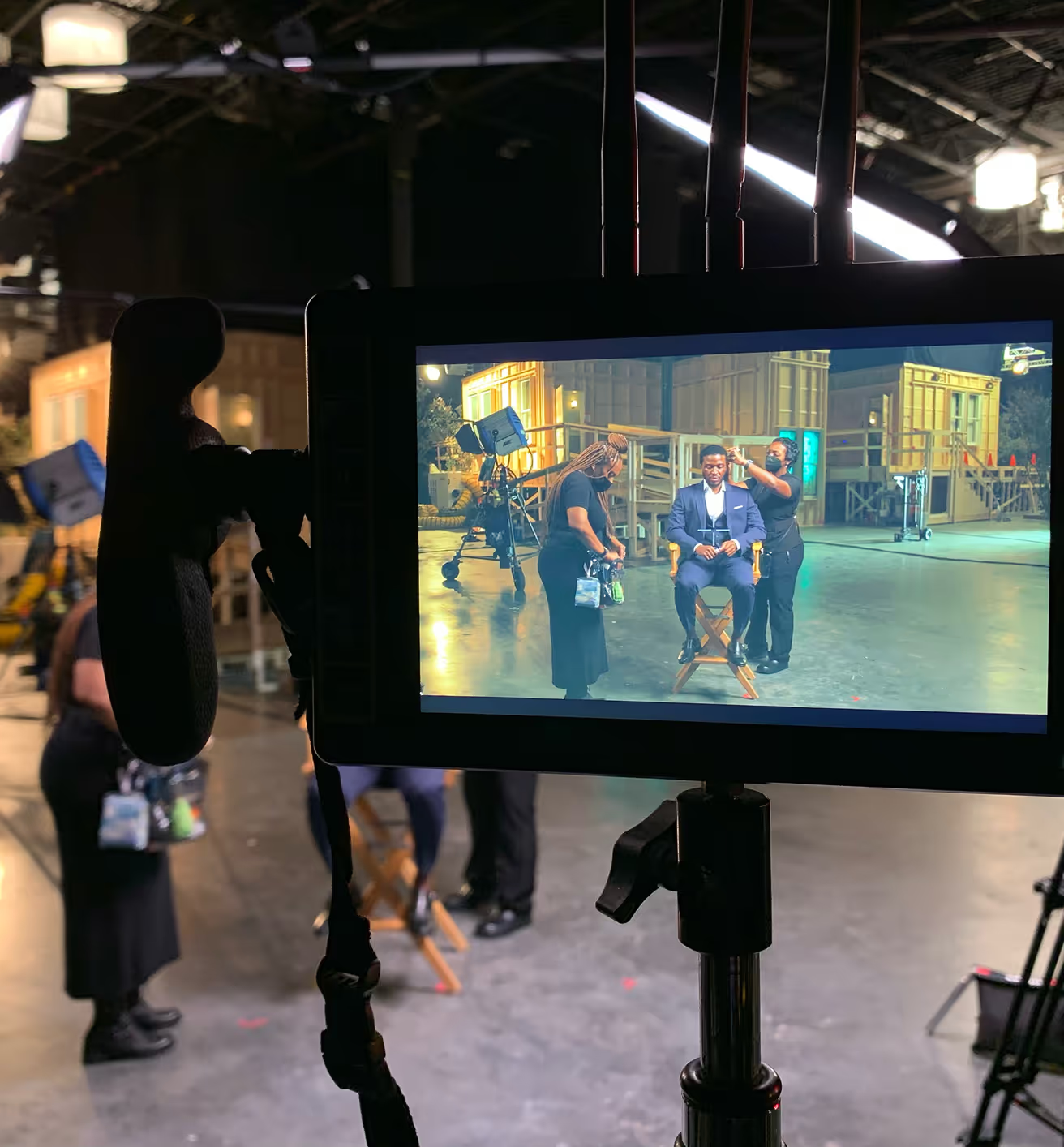
- Use observational filming. The camera watches work happen. Don't stage it.
- Capture documentary interview footage. Use a quiet room, a soft key light, and open questions. Our guide to corporate interviews goes deeper.
- Record clean audio first. A strong answer with poor sound is hard to use.
- Keep rolling between answers. Relaxed moments often follow the formal question.
- Ask follow-ups. A quick prompt like "What happened next?" invites detail.
- Shoot b-roll for documentary scenes after each sit-down. B&H's Explora guide says modern viewers don't need b-roll that simply repeats the dialogue, and calls for b-roll that highlights it instead.
We bring this craft nationwide. Founder Gordon Garreau has led unscripted work for A&E, BET, and TV One. With 1,000+ projects done and crews in 345+ cities, a nationwide crew can shoot where your story lives.
How to Edit a Business Mini Documentary Into a Story
A documentary editing workflow has four steps:
- Log the footage.
- Pick selects.
- Assemble a paper edit.
- Cut and lock the picture.
Shape the cut with a narrative arc for brands:
- Open with the question.
- Show the obstacle and rising stakes.
- Add a turn, where something changes.
- End on the payoff, not a sales line.
Cover jump cuts with b-roll, add lower thirds on first appearance, and keep music quiet.
Take inspiration from the pace of the subject, add captions for sound-off playback, and review the cut with subjects for accuracy. The goal is to inspire, not to oversell. Good edits turn valuable lessons into a clean story.
Where to Use a Mini Documentary in Your Marketing Strategy
- Your website: publish the full film and ask people to subscribe for the next chapter.
- CTV and sales decks: play the full film where longer viewing fits.
- Recruiting: show candidates how your people work and what the day-to-day looks like.
- Social clips: short form documentary production turns one shoot into short-form video for LinkedIn and Instagram.
Match each cut to its distribution channel. Plan cutdowns before the shoot so shots are framed for both wide and vertical versions. Then track completion rate, comments, and what prospects say on sales calls, not only views.
Common Mistakes Brands Make With Mini Documentary Production
Brand documentary production goes wrong in predictable ways, and most problems start before the camera rolls.
Each fix comes down to one habit: let real people lead, and let the edit serve them. Review the first cut with a small group to catch gaps early.
The biggest pitfall is rushing the story. Our production tips cover more.
The Bottom Line
This format works because it shows people, not slogans. Find a real story, plan it as an outline, film it with patience, and edit it for the arc.
Team Unity Media is a Boca Raton video and CTV agency with 1,000+ projects and vetted crews in 345+ cities. Explore our unscripted services, then get started on yours.
Frequently Asked Questions
1. How long should a mini documentary for business be?
There is no fixed length. Definitions run from about two to thirty minutes. Pick the length the story needs, then cut tighter versions for social.
2. How much does one cost?
Cost depends on crew size, locations, and edit time. Ask for a quote based on your story, since a one-location film is scoped differently from a multi-city shoot.
3. How is it different from a brand film?
A brand film is scripted and staged. This format follows real events and unscripted answers.
4. How many people should I feature?
A good starting point is two or three voices. More can dilute a film.
5. Can a small shop try one?
Yes. Start with one subject, one location, and a lean crew. Keep the story narrow, then grow it into a series if it works.
Related Posts