Behind-the-Scenes EPK for Film and TV: What to Capture, Who to Interview, and How to Deliver It
A behind-the-scenes EPK only matters if a network, streamer, publicist, or reporter can use it. This guide covers what to capture on set, who to interview, and how to plan coverage around the production schedule without slowing the crew down. It also covers the releases and clearances you need before footage goes anywhere, and the delivery specs that decide whether your files are accepted or bounced back.
A Behind-the-Scenes EPK for Film and TV That Press, Networks, and Streamers Will Actually Use
A behind-the-scenes EPK for film and TV is only useful if it gets used, either by a network, a streamer, a publicist, or a reporter on deadline. An electronic press kit isn't a trailer.
A behind-the-scenes EPK is a collection of promotional materials built as structured interviews, footage, and sound bites, to a spec someone else can drop straight into a broadcast or press package.
This guide covers what to capture on set, who to interview, what clearances you need, and the delivery specs that decide whether your files get accepted or bounced back.
An EPK is a press and marketing tool, not a trailer or promo cut, and a real capture checklist beats vague "get some BTS" instructions. Talent releases and clearances have to be locked before footage goes anywhere, since networks and streamers reject files that don't match their delivery specs. Done right, a strong EPK increases visibility with industry professionals, press, and distribution partners.
What an EPK Is and Why Behind-the-Scenes Footage Sits at Its Core
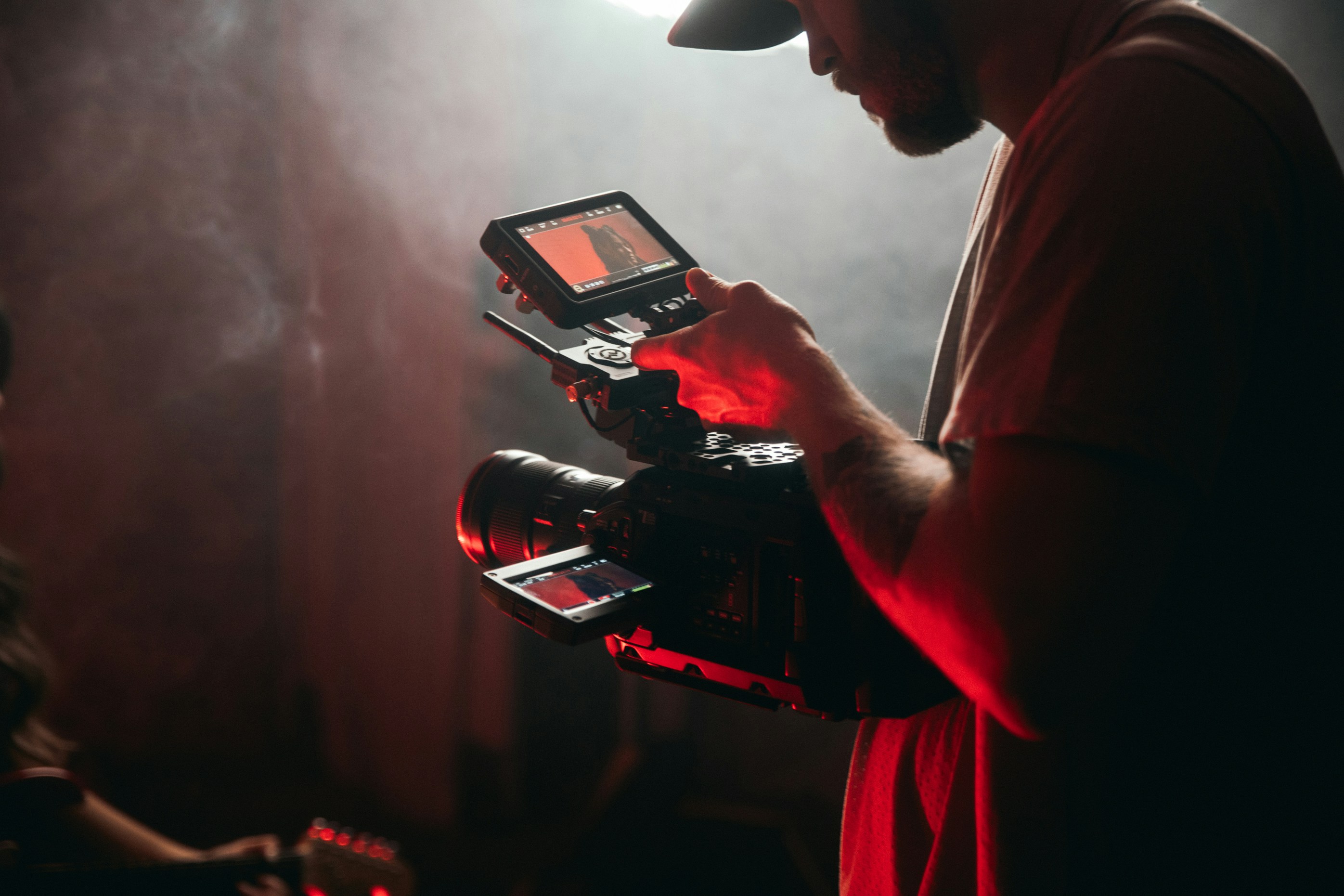
An electronic press kit for film is a package of video and supporting materials built for press, networks, streamers, and distribution partners rather than general audiences. At its center sits behind the scenes footage: cast and director interviews, set b-roll, and sound bites outlets can pull from directly.
An EPK does a different job than a trailer. Confusing the two is a common mistake in EPK production for film and TV, so here's the distinction at a glance:
Production companies usually commission the EPK while filming is underway, whether it's a short film, a feature, or episodic TV, so footage is ready the moment a release or film festival run begins.
Length varies by project, but most kits land in a predictable range, per production guides from Screen Australia and independent filmmaker resources:
Some productions deliver several short featurettes at different runtimes, pulled from the same raw footage.
Who Uses a Behind-the-Scenes EPK
A finished EPK rarely has one audience. Publicists pitch stories with it before release, while networks and streamers fold it into a standard delivery package. Festival programmers and distributors review it before they commit to a project, journalists lift clips from it directly for segments, and influencers or social teams cut it down for short promos.
That range of users is why format matters. A kit built only for a reporter's inbox won't match a streamer's delivery requirements. A good EPK for TV series or feature films serves everyone at once.
What to Capture on Set
Before anyone picks up a camera, build a shot list tied to the production's actual beats. A working capture checklist for behind-the-scenes material usually includes:
- Cast and director interviews, shot separately from the main camera package
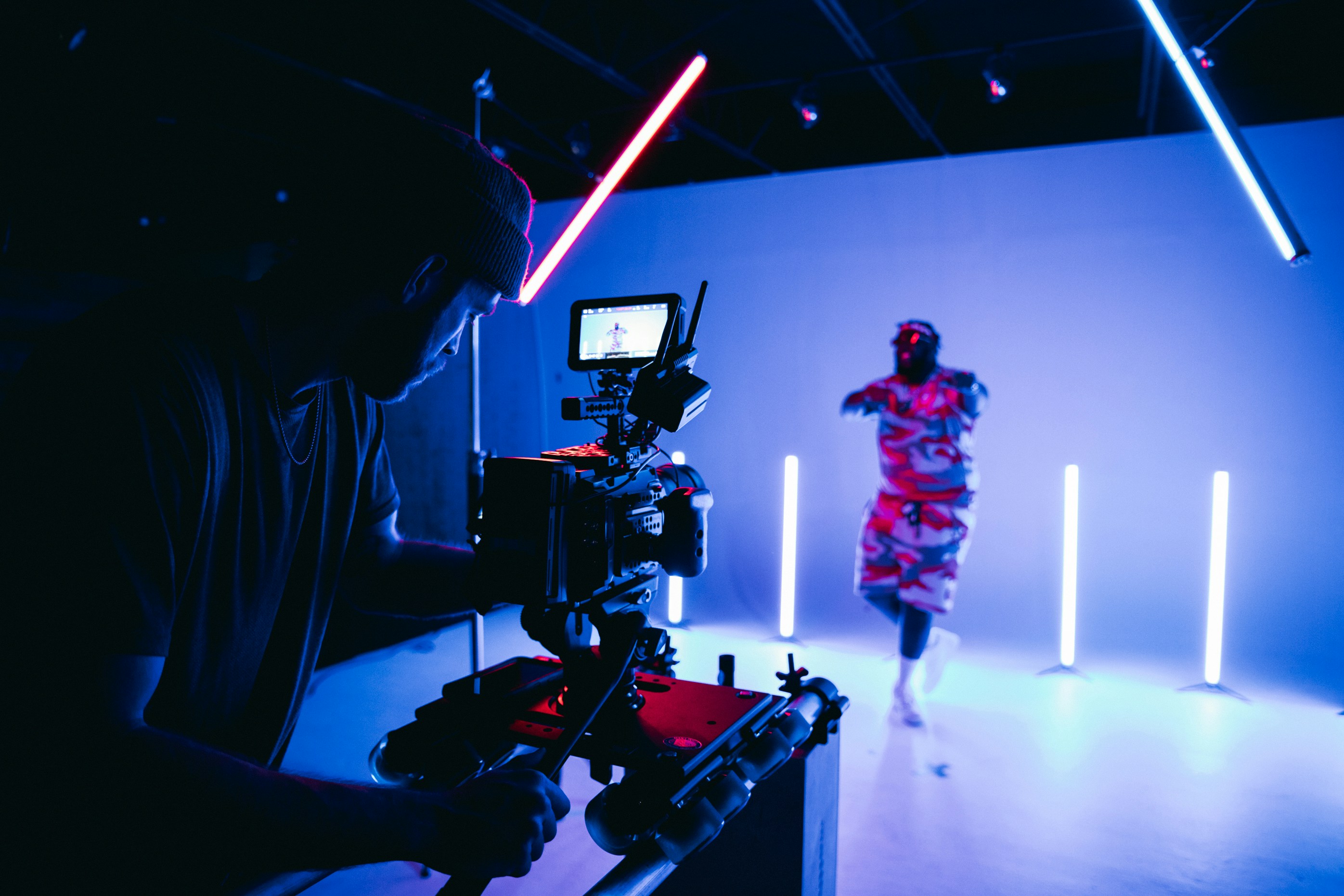
- Set b-roll of blocking, lighting, and camera moves during principal photography
- Wide establishing shots of the location and crew at work
- Sound bites from key talent and crew, each answering one clear question
- Candid moments between takes, without staging them
- Wardrobe, makeup, and props being prepped before a scene
- Short, labeled clips of the on-set crew at their jobs
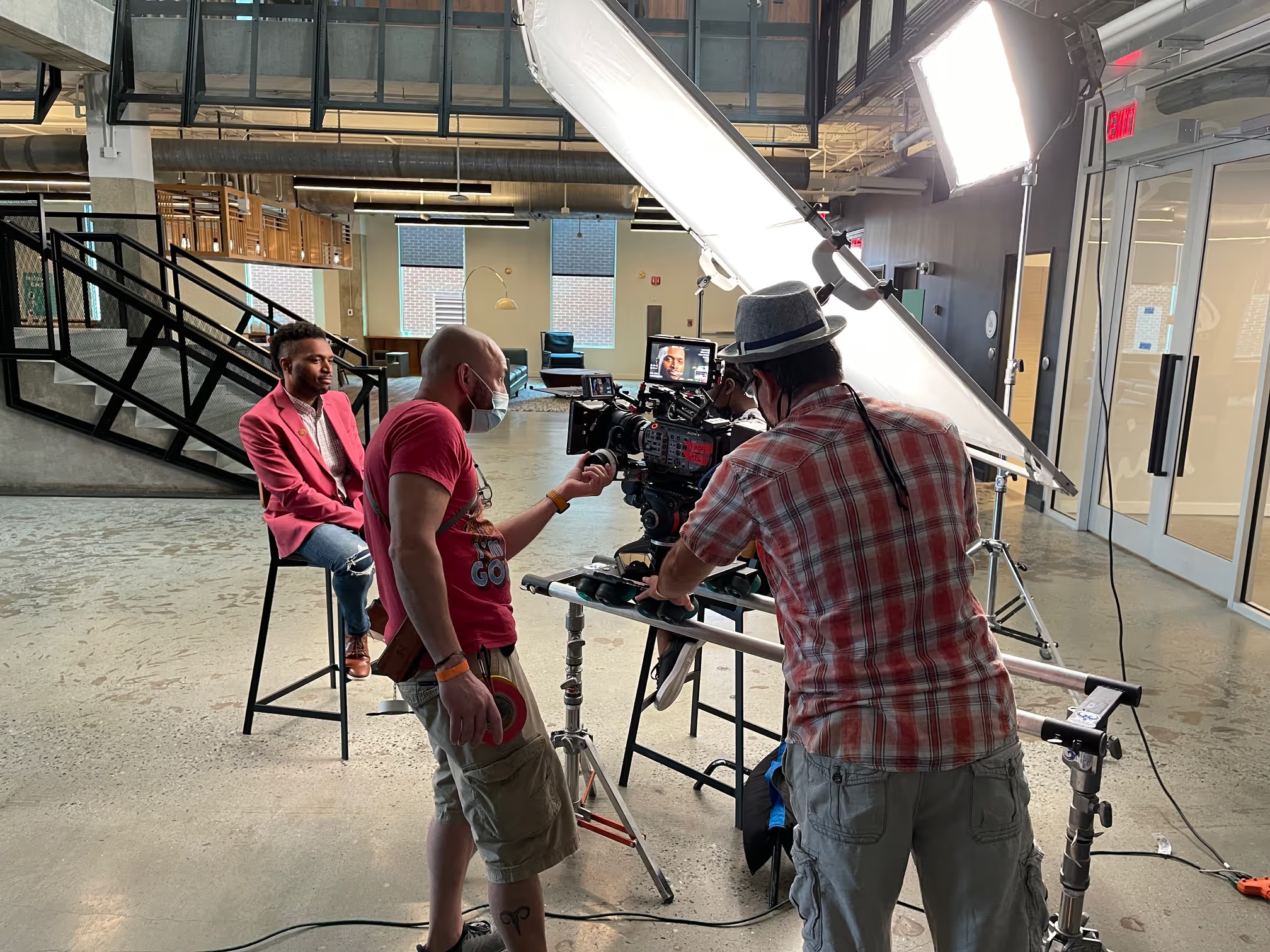
A full package pairs interviews with the film director, producers, and principal cast against b-roll that shows the production's nitty-gritty in its best light. Favor high-quality material over covering everything, and skip shots that make the set look chaotic or unsafe.
The real answer to how to make an EPK starts here, not in the edit: with a shot list mapped to the days that matter. This isn't a finished product, so editors can't paper over gaps with cutaway b-roll. Trim the head and tail of an answer, never the middle.
Planning the EPK Before the Production Starts
The best EPKs get planned in pre-production, tied to the production schedule, not bolted on after. Assign a specific person with camera and editing experience to cover a few key days, rather than hoping someone grabs footage whenever there's time and polishes it later.
Before day one, settle a few things with the production office: which shoot days get BTS coverage and which stay closed, who's cleared to be near talent during interviews, whether the EPK team needs its own small crew or works inside the main footprint, and what the delivery deadline is, since press cycles move fast.
Loop in the publicist and EPK producer early to agree on where the footage will be used. That shapes how many coverage days you need and which interviews take priority. A single-location sitcom pilot and a multi-city unscripted production need very different plans.
Working Around a Live Set Without Slowing It Down
An EPK crew earns its access by staying invisible. The fastest way to lose set privileges is to slow down setups or step into a sightline during a take. Most professional crews lean on quiet, hand-signal coordination instead of calling out instructions, which protects the shot.
The posture that works best is patience: stay out of the way until there's a real opening, then grab a cutaway or a quick question between takes.
A few practical habits keep access intact: confirm camera-safe zones with the first assistant director, never move props or equipment without asking, keep interview setups out of the main unit's sightlines, and build buffer time between takes rather than rushing a crew member.
Interviewing Cast, Directors, and Crew for Press Use
An EPK interview has a different job than a documentary shoot. It needs short, quotable sound bites that a journalist or editor can lift without extra context.
Keep the setup simple: one or two cameras, a clean background, and focused questions about the project's premise, a specific challenge on set, and the creative process behind a role.
Transcribing each interview as you go gives editors searchable, timestamped text. Strong cast interviews and director sit-downs are usually what press outlets use first, so give them the most prep time.
A few techniques make the footage more usable later. Ask the subject to restate the question in their answer, keep each answer to one idea that trims down to a 10 to 20 second sound bite, record a clean audio track separate from the camera (especially outdoors), and shoot a few seconds of silence before and after each answer.
This is a close cousin of corporate interviews work, since many of the same framing and audio habits carry over between formats.
Clearances, Releases, and Approvals
No EPK footage should leave the production without signed paperwork. Without proper releases, a production can face privacy and right-of-publicity claims, plus distribution holdups when a platform asks for clearance paperwork.
Talent releases and clearances need to cover more than the main production footage. A general on-camera release doesn't always extend automatically to behind-the-scenes or EPK use, so productions should name that use specifically in a signed release template.
Teams also need the right to use the appearance of everyone on camera, including background crew visible in frame, as outlined in legal guidance on appearance releases.
Before footage moves anywhere, confirm that every on-camera talent and crew member has signed a release, that location releases cover private property and not just the main permit, that legal or standards teams have reviewed the footage for spoilers, and that minors on set have guardian-signed releases, with no exceptions.
Editing and Delivering the EPK Package
Editing turns raw interviews and b-roll into a package built around someone else's spec sheet, not your own taste. A transcription-first workflow speeds this up. Networks and streamers publish exact delivery requirements, and a mismatched file gets rejected.
Platform delivery packages typically spell out asset requirements alongside audio and video technical specs, covering codec and aspect ratio to frame rate, the way major streamers' delivery specs do for their content partners.
Submission specs for outlets like the Academy specs commonly call for the native frame rate of the original source, such as 23.976, 24, 25, or 29.97 fps.
Build your network and streamer delivery checklist around these core elements:
Hold a buffer before any deadline. Platforms run their own quality control pass, and a rejected file with no time to fix it can jeopardize a production's press window.
Getting the Footage in Front of Press, Networks, and Audiences
A finished EPK does nothing sitting on a hard drive. Most releases pair a behind the scenes EPK video with other press and publicity assets: stills from the film, a short synopsis, cast and crew bios, and press releases, often gathered into one shared press deck.
Distribution runs through a few channels at once: a secure, downloadable portal with clear contact details, direct delivery to the network or streamer's asset system, and market platforms for buyers. Keep access time-limited, since BTS footage ahead of the film's premiere carries real spoiler risk if it leaks.
Timing matters as well as the files. Coordinate release with the project's promotional calendar, so interviews and b-roll generate media coverage and media attention when the production wants it, not weeks early or late.
Multi-Location and Long Shoots
A film EPK and a TV EPK rarely follow the same timeline. A single-location shoot and a six-week unscripted production across three cities need different plans. Longer shoots call for a rotating EPK operator rather than a single one-day visit, since one day rarely captures a production's full arc.
For projects that move between cities, plan around a consistent small kit that travels between locations, local crew pickup at each stop instead of flying one team everywhere, a shared, cloud-based footage log so editors aren't waiting on drives, and clearances handled location by location, since requirements shift by jurisdiction.
A nationwide crew network pays off here, since staffing a new city doesn't mean rebuilding a team each time, especially on unscripted production schedules that shift on short notice.
Mistakes That Make an EPK Unusable
A few recurring mistakes turn a finished EPK into something nobody can use:
The Bottom Line
A behind-the-scenes EPK for film and TV earns its place when it gets used. Plan capture around the real schedule, protect access on set, lock clearances early, and match whatever spec the network or streamer hands you.
Team Unity Media works as EPK producers alongside its unscripted production and TV commercial work, backed by a nationwide crew network. Founder Gordon Garreau brings more than a decade leading TV, commercial, and branded productions, with BTS credits tied to Starz, AMC, HBO, and Nickelodeon, plus unscripted work with A&E, BET, and TV One.
Contact us to plan your EPK shoot, book crew for the job, or browse past work for similar BTS and unscripted projects.
Frequently Asked Questions
1. What's the difference between an EPK and a trailer?
A trailer sells the finished story and avoids spoilers. An EPK gives press, networks, and distribution partners raw interviews, b-roll, and sound bites about how the production came together, for others to repurpose.
2. How long should an EPK video be?
Full raw EPK packages commonly run 20 to 40 minutes. A separate, shorter featurette cut usually runs only a few minutes and is what most press outlets actually air.
3. Who owns EPK footage, and what releases does the production need?
Ownership depends on talent releases and clearances signed before the footage is used. A standard on-camera release doesn't always cover BTS use, so productions need releases naming EPK and press use specifically, plus location releases for every site.
4. How much does an EPK cost?
There's no fixed industry rate. Price depends on shoot days, crew size, locations, and turnaround time, so scope it against the actual shot list and deadline, then get a quote.
Related Posts