From Strategy to Screen: A Complete Guide to Video Marketing and Production
This blog covers the full video marketing and production process for brands, from setting goals tied to the marketing funnel to understanding each production stage with realistic timeframes. It breaks down the most effective video types, how to choose the right production partner, what different video formats cost in 2026, and how to distribute and measure video content across platforms. It closes with the most common pitfalls brands make and how to avoid them.

Video Marketing and Production: What Every Brand Needs to Know in 2026
Videos are no longer simply one aspect of a marketing budget. It is rather the center of all brand communication today. The reason is simple: The human brain processes visual information faster than textual, and videos combine all elements of sight, sound, and motion to build trust instantly.
For marketers, video marketing and production process remains the surest way to communicate complex concepts, capture emotions, and drive sales. Whether it’s an explainer video on your landing page or a very well-produced TV commercial and CTV ads, videos enable you to engage with your customers in a way that’s not possible with text and images.
Key Highlights
- High Retention: Audiences retain 90% of any message when viewed in video, whereas only 10% is retained when presented in text form.
- Mobile Dominance: More than half of all video content is watched on mobile devices. This makes the video very easy to watch.
- Search Engine Value: Websites with embedded video content are more likely to rank on the first page of Google results.
Why Video Has Become the Center of Brand Marketing
Over the past few years, video has emerged as the focus of digital marketing. With shorter attention spans and widespread mobile use, companies neglecting video can miss out on many important opportunities. People are inclined to choose video because it can convey messages through pictures, sound, and movement. Furthermore, videos are essential in enabling companies to explain their products and services in an easily comprehensible manner.
Building a Video Marketing Strategy Before You Hit Record
Businesses often end up making the wrong move by purchasing a camera or booking a crew without even being clear about their aims. An effective video marketing and production guide involves proper planning from the ground up. If you are seeking tips on developing a video marketing strategy from scratch, you have to start by setting marketing objectives.
The Real Framework for Setting Video Marketing Goals
To create an effective video, you have to fit it into the marketing funnel. Don’t try to do everything with one single video. This is how you set goals:
Step-by-Step Strategy Checklist
- Define Your Target Audience: Know who is going to watch the video (age, problems, favorite social media platforms)
- Determine the Core Message: If the viewer takes away just one sentence from the video, what would that sentence be?
- Establish the Budget: Defining the budget helps avoid wasting time on things that cannot be shot due to budget constraints.
Understanding the Video Production Process
Video marketing & video production is a structured and systematic process. Whether you are working internally as a crew or following a full-service video production process, video production process for businesses will always involve three specific stages: Pre-production, Production, and Post-production.
.jpg)
Actual Breakdown of Production Stages with Realistic Timeframes
To help you manage your expectations, please find a realistic time frame for a regular business or marketing video production project.
1. Pre-Production (Planning Phase)
- Timeframe: 2 to 4 weeks
- What happens: This is when the strategy becomes a plan of action. The script is written, storyboards are made, actors are cast, locations are chosen, and the day of the shoot is scheduled.
- Why it matters: Each minute spent planning now will save you thousands of dollars in production.
2. Production (The Shoot)
- Timeframe: 1 to 3 days (depending on video length and locations)
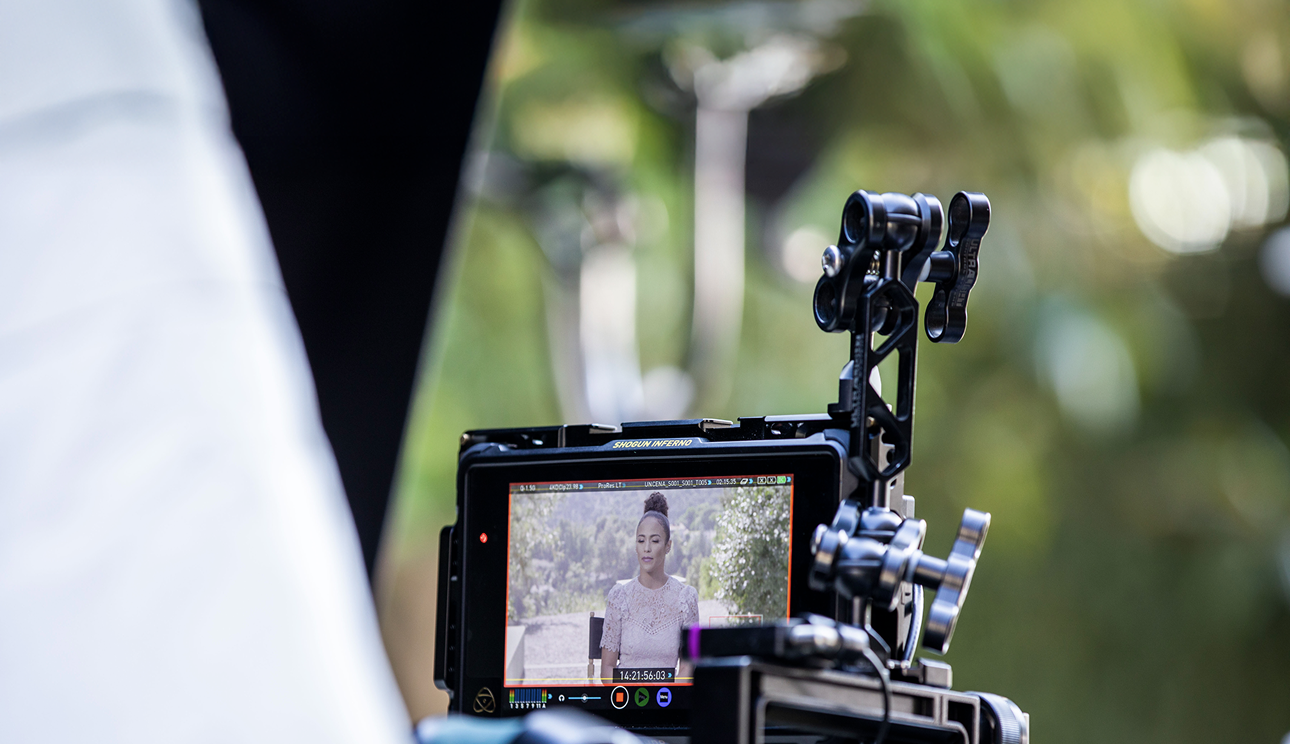
- What happens: The crew is ready on the set. Directors, cameramen, sound engineers, and light technicians collaborate to film the scenes.
- Why it matters: This is the quickest and most costly stage since you are paying for labor and equipment costs per day.
3. Post-Production (Editing Phase)
- Timeframe: 2 to 3 weeks
- What happens: After recording, the editor takes the raw footage and proceeds with video editing. Video editing involves assembling all scenes, color grading, adding sound effects, using voice-over, and creating motion graphics or titles.
- Why it matters: This is where everything falls into place. It is common for projects to have two stages of revision before the final document is provided.
Types of Videos Every Brand Should Know
Marketing objectives dictate different video styles. An ultimate video production guide for brands for marketing purposes should emphasize the specific applications of each video style.
1. Explainer Videos
Explanation videos are short, engaging videos that explain how a product or service functions. They can be added to homepages or landing pages. They are best used to explain complex software, healthcare systems, or financial products.
2. Branded Content Production
This style is all about storytelling and not marketing. Branded content production emphasizes a company's values, mission, or even consumers' experiences. This ensures that consumers are connected with your brand name.
3. Corporate Video Production Company Styles
These can include internal training videos, recruitment videos for company culture, and yearly reviews with stakeholders. A dedicated corporate video production company ensures the tone perfectly reflects your corporate identity.
4. TV Commercial and CTV Ad Production
Both traditional TV commercials and CTV streaming ads need top-notch production quality. Both TV commercial production and CTV advertisement production involve following very strict legal broadcast guidelines and an intensely focused format within 15 to 30 seconds.
.jpg)
Choosing the Right Production Partner
Deciding to go with video means you have to choose who will create it. You can either hire an independent videographer or a production company.
A single freelancer can be ideal for small, simple occasions or even for social media videos. Nevertheless, for high-risk corporate campaigns, the complete guide to video marketing recommends engaging an agency. A corporate video production company can provide an entire range of experts, including writers, directors, lighting experts, and professional editors, resulting in a much higher-quality product.
Decision Framework for Choosing a Production Partner
For the right partner in your project, use the following steps of analysis:
- Portfolio Check: What have they done before? Are the visuals of their previous video production work in line with what you are looking for?
- Process and Communication: Do they have an organized workflow regarding pre-production and editing, or do they appear disorganized?
- Resource Capabilities: Do they have all processes internally managed (writing, casting, and editing), or do they outsource them?
- Transparency: Do they provide transparency into costs, music licensing fees, and the number of revision rounds?
Budget and Timeline: What Brands Should Expect
Understanding costs gives you an idea of how realistic your expectations are. The cost of making a video will depend largely on equipment, crew, location, and necessary editing. Below is a video marketing strategy guide, including the cost range.
Concrete Cost Ranges by Video Type
Budget Tip: Remember that you should always keep 10% aside of the budget as contingency funds in case something goes wrong, like bad weather conditions or script changes.
Getting Your Video Seen: Distribution and Targeting
A visually appealing video does not guarantee success. If no one sees it, all efforts will go to waste. There should be a strategy for distributing and targeting videos. Relying on organic posting of a video on your website alone is not enough.
Platform-Specific Distribution Tactics
To get the highest return on investment, you should optimize it based on the individual guidelines of each platform:
- Website and Landing Pages: Use a good player (such as Vimeo or Wistia) to host your video. Put an explainer video "above the fold." This is known to boost landing page conversion rates by more than 80%.
- YouTube: YouTube is the second-largest search engine on Earth. Optimize your video by using appropriate keywords in its title, description, and tags. Make a custom thumbnail to get more clicks.
- LinkedIn: Ideal for B2B video production. Upload your videos natively to the site instead of posting video links. Make sure your videos are short (max 2 min) and include captions, since users will watch them without sound.
- Meta (Facebook & Instagram) and TikTok: Opt for vertical videos (9:16). The first 3 seconds will determine if the user continues watching. Take advantage of paid targeting to showcase the video to specific demographics.
Measuring What Actually Worked
Measurement is the final step in a video marketing guide for beginners. To determine whether or not your video helped your business, you have to check your data. Do not focus completely on views, as they do not indicate audience engagement with the content.
Crucial Metrics to Track
- View Count: The actual count of times your video was watched. Useful in assessing your video's immediate viewership.
- Play Rate: The percentage of visitors who click to play your video. A low play-through rate indicates you need to adjust your video thumbnail or positioning.
- Watch Time / Retention Rate: Determines how long viewers were engaged. When you see that most viewers disengage within 10 seconds, you know your introduction needs improvement.
- Click-through Rate (CTR): The percentage of viewers who clicked your call-to-action link in your video. It measures the effectiveness of video content.
Common Pitfalls to Avoid
- Pitfall 1: Having the video too lengthy. The audience will be able to get bored quickly. Reason: It has been proven through evidence that beyond two minutes in marketing videos, peoples' attention spans shorten dramatically.
- Pitfall 2: Not providing a concrete Call-to-Action (CTA). At the end of the video, the viewer remains confused about what to do next. Reason: When you don't tell them to "visit our website" or "buy now," then they will simply move on to the next video.
- Pitfall 3: Ignoring captions. Reasoning: Approximately 85% of social media videos are watched with sound off. If your video uses only voiceover without any text, you fail to communicate with your entire audience.
The Bottom Line
Taking a video from idea to screen requires a clear strategy, quality production, and smart distribution. When done well, video marketing can enhance brand credibility, engagement, and conversion rates. Having a production partner with experience ensures success in all aspects. Team Unity Media is there to assist brands in creating videos at every stage.
Being a reliable corporate video production company, we convert corporate objectives into compelling visuals. The professionals at the company handle everything from scripting to filming and distribution set-up. If you need an explainer video or even a major commercial, Team Unity Media has got you covered with professional and goal-oriented videos that will help your business grow in the long run.
Faqs
1. How long should a marketing video be?
The social media videos need to be less than 60 seconds. The website explainers work best within 60-90 seconds. Detailed information, such as case studies, should be between 3 and 5 minutes.
2. Can we create high-quality marketing videos using an iPhone?
Yes, using smartphones for such purposes is fine, but creating commercials, website videos, or marketing campaigns is better done with professional video production.
3. What is the difference between an independent videographer and a production company?
The videographer is responsible for shooting and initial editing individually. The production company takes care of everything, from planning to delivery, through a team of professionals.
Related Posts


.png)
.png)