The Evolution of TV Commercials: How Advertising Has Transformed Over the Years
A quick timeline of how TV commercials evolved with technology, storytelling, and changing viewer habits from early TV to smart screens.
%20Large.jpeg)
From Black and White Spots to Smart TV Ads: The TV Ad Journey
The evolution of TV advertising has been one of the most intriguing and significant journeys in advertising. TV ads have undergone many evolutions over the years in style, quality, and purpose. The first television commercials were little more than plain black-and-white portrayals and brief scripts.
As technology improved, brands began adding colorful screens and better camera work to make their ads more appealing. This evolution in TV advertising enabled companies to communicate with people in a more powerful, emotional way. Over time, the audience did, too. They wanted something a bit more engaging and entertaining, so brands began using humor, music, big visuals, and memorable characters.
Another large change in the evolution occurred when HD, smart TVs, and digital tools gained prominence. Today, TV commercials are more interactive, more personalized, and focused on what viewers like. The history of TV advertising shows how technology, creativity, and viewing habits continually shape the way brands connect with audiences.
In this blog post, we delve into the journey of how TV ads began, where they have come from, and the key milestones that brought us to modern-day TV commercials – and how they continue to evolve in our fast-moving world.
From the First Bulova Spot to the Golden Age (1941-1959)
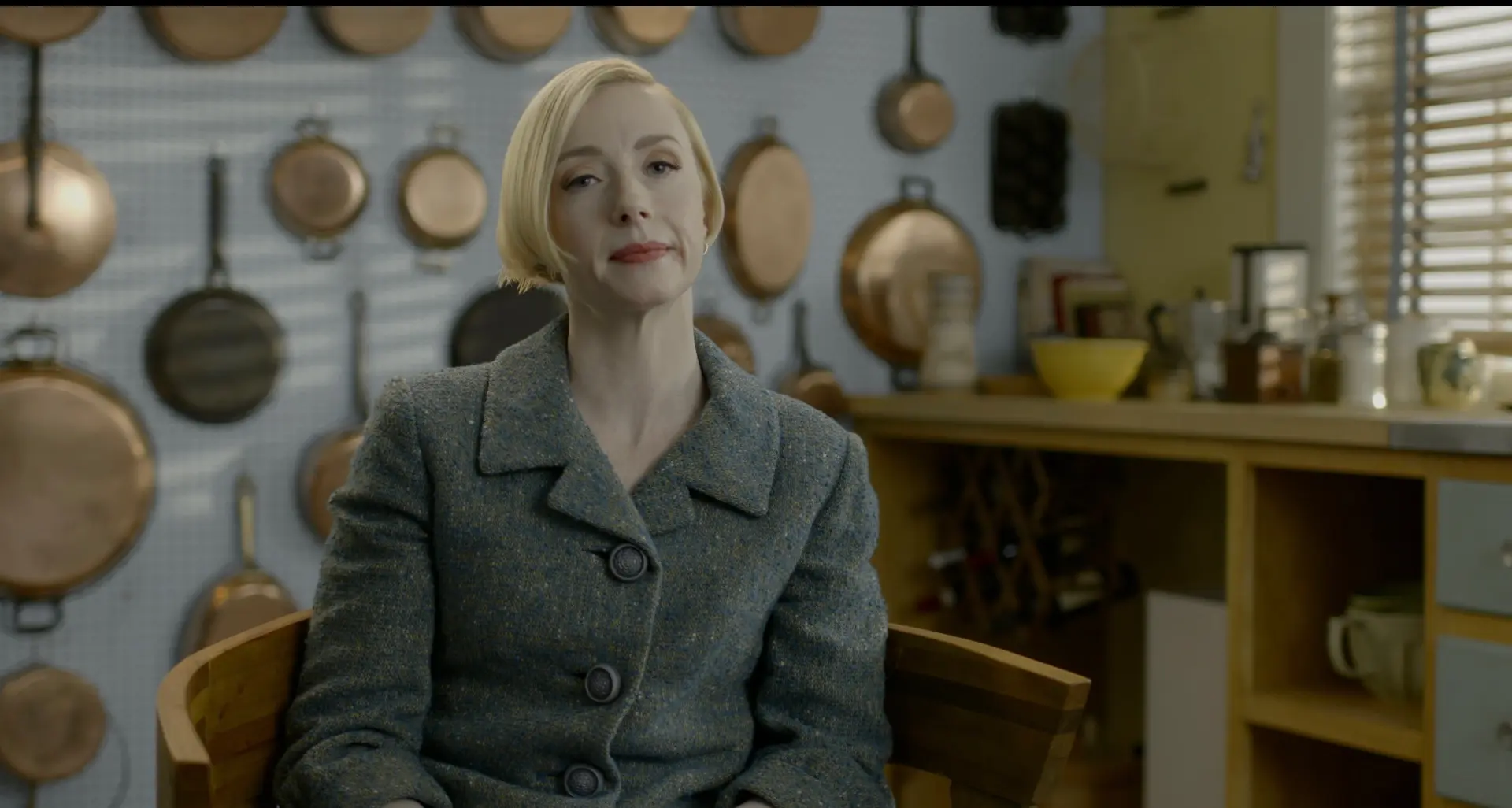
The first commercial ever legally broadcast on American television was for Bulova watches. It aired on WNBT in New York on July 1, 1941, before a Brooklyn Dodgers-Philadelphia Phillies baseball game, and it was about as simple as an ad can get: a modified test-pattern clock with the Bulova logo and the line "America runs on Bulova time," read by announcer Ray Forrest.
- July 1, 1941: First legal TV commercial airs, 10 seconds, $9 total.
- 1948: First TV ad for a laundry detergent airs, opening the category to household products.
- 1952: Eisenhower's campaign runs the first TV ad for a US political race.
- 1955: Television overtakes radio as the top entertainment source in American homes.
- September 22, 1955: The UK gets its first TV commercial, a 70-second Gibbs SR toothpaste spot chosen by lottery against 23 other advertisers.
These early ads were live, unscripted, and read straight off a script by an on-camera announcer. There was no room for stunts or special effects, so brands leaned on plain, direct messaging. Many sponsored entire programs outright rather than buying discrete breaks, part of why this era marks the start of the evolution of television ads as its own craft.
The Golden Age of TV Advertising (1960s-1980s)
Once color television and better production tools became standard, TV commercials stopped being announcements and started being stories. This is the stretch in the evolution of TV advertising most people picture as "classic": jingles, characters, and campaigns built around feeling rather than just features.
- 1963: Ronald McDonald debuts, one of the first character-driven ad campaigns.
- 1970s: Oscar Mayer's "My Bologna Has a First Name" jingle debuts and stays in rotation for decades.
- January 1, 1971: The Public Health Cigarette Smoking Act bans cigarette ads from US TV and radio, one of the first major rules to reshape what commercials could sell.
- 1980: CNN launches 24-hour programming, creating round-the-clock ad inventory and daypart targeting.
- January 22, 1984: Apple's "1984" ad, directed by Ridley Scott, airs once during Super Bowl XVIII and turns the Super Bowl into an advertising event.
Better lighting, cameras, and editing let brands finally match a message to a mood. That combination of craft and repetition is what makes a jingle or character stick decades later, which is why full-service TV commercial production still matters today.
Digital Disruption and the Shrinking Spot (1990s-2010s)
Computer graphics and digital editing tools showed up in the 1990s, giving advertisers room for dramatic visuals without shooting everything practically. The bigger disruption came a decade later, when the internet gave viewers somewhere else to look.
- 1990s: CGI and non-linear editing let advertisers build more ambitious visuals on smaller budgets.
- Early 2000s: Broadband and YouTube move video consumption off the TV set, forcing advertisers to think cross-platform.
- 2016: YouTube introduces the 6-second, unskippable bumper ad, betting shrinking attention spans would reward brevity.
That last shift is one of the clearest examples of how TV commercials have changed. The Advertising Research Foundation and TVision found 6-second TV ads capture 8% to 11% more attention per second than longer spots, though MNTN and Ehrenberg-Bass found a 15-second cut only holds about 80% of a 30-second ad's effectiveness.
Shorter isn't automatically better, it's a different tool for a different job. Most advertisers now run a longer spot for storytelling and a 6-second cutdown for reminder frequency. Knowing when a TV commercial versus a digital video ad is the right call became a real planning question.
Impact of Technology on TV Commercial Production
Technology has been one of the biggest forces behind the evolution of TV commercials. Today, new tools make it easier than ever for filmmakers and advertisers to create high-quality ads quickly. This includes:
- High-definition cameras
- Computer-generated imagery (CGI)
- Motion graphics
- Drones
- Advanced editing software
This evolution transformed TV commercial production over the years. It became more efficient and more creative. Commercials today can be filmed in numerous locations, edited in a flash, and distributed across multiple platforms. Television advertising has evolved significantly now that virtual actors have finally arrived, with more story and movie-like visuals.
Technology also lets brands play around with ideas before they go live. This is good for quality and ensures commercials will be relevant to viewers. TV commercial production has now evolved into a fusion of art and technology.
What Makes a Modern TV Commercial Effective?
Advertising these days is all about speed and attention. Modern viewers want their content to be fast, easy, and powerful. As a result, the evolution of TV commercials has moved towards shorter forms.
Commercials today must:
- Deliver messages quickly
- Work across TV, mobile, streaming, and social platforms
- Be visually strong
- Connect emotionally
It is a significant change, an evolution to match new TV viewing habits. Television ads have come a long way, now driven by data, analytics, and real-time feedback. Brands learn what viewers like and tailor their ads accordingly.
It’s one of the most exciting chapters in the advertising timeline and builds on the long history of TV commercials.
Evolution of TV Commercial Production Today: CTV, Data, and AI
Streaming didn't just add a screen, it rebuilt TV advertising's economics. In 2026, US advertisers are projected to spend $37.95 billion on connected TV, up roughly 14.5% year over year, and CTV upfront commitments are expected to exceed primetime linear upfronts for the first time. Nearly 90% of US households now own a connected TV device.
- Targeting: CTV targets by household and behavior instead of a demographic block.
- Format flexibility: The same creative gets cut down for broadcast, CTV, YouTube, and social from one shoot.
- Interactivity: Shoppable CTV formats let viewers add a product to cart from the screen; QR code use in CTV ads is up more than 3x year over year.
- AI production: Tools built on models like Google's Veo 3 generate broadcast-ready video from a prompt, and roughly two in three digital video buyers are testing agentic AI for 2026 campaigns.
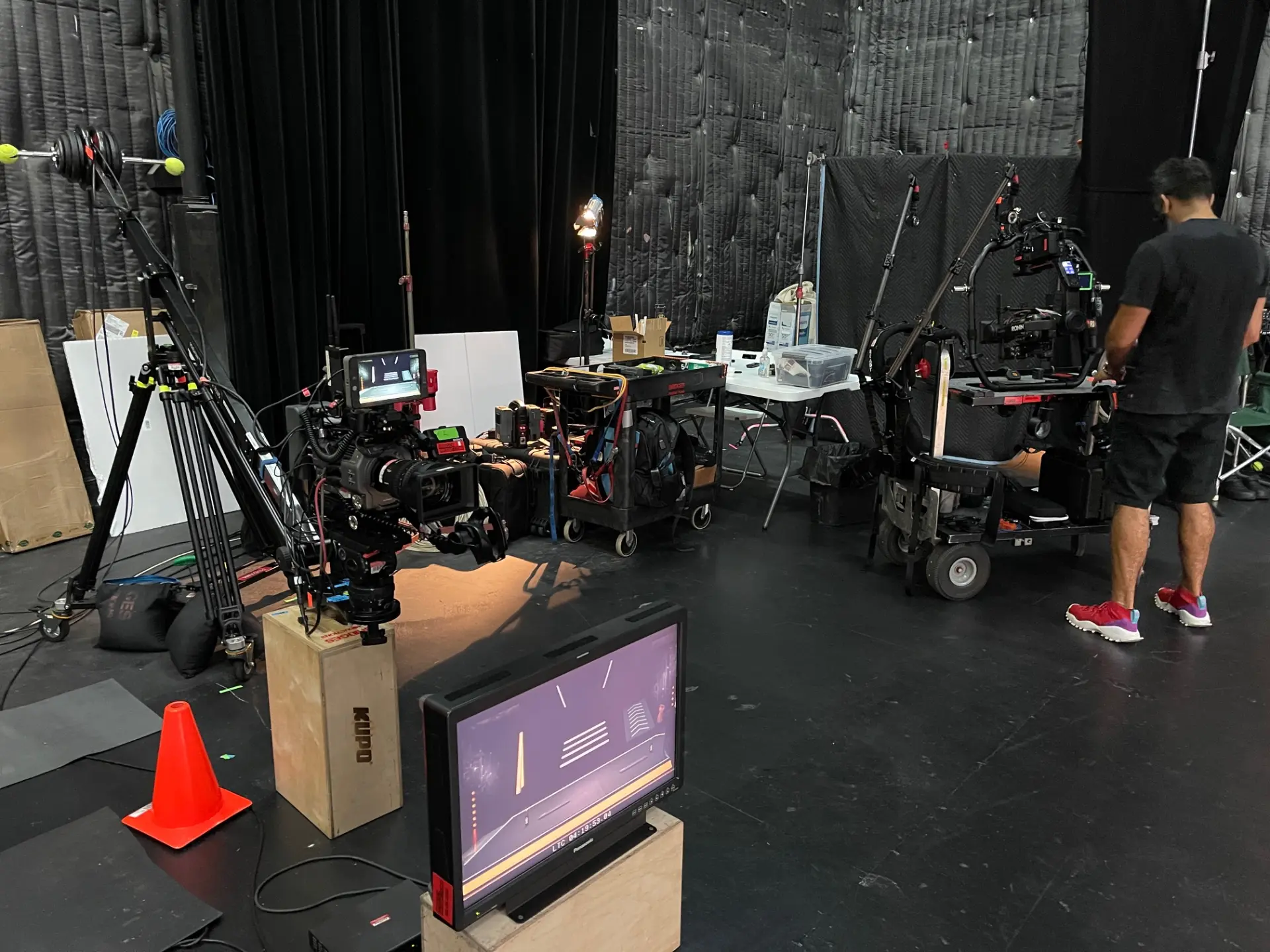
One example of modern production on set: Team Unity Media's Wren Kitchens TV commercial, built with a dedicated crew handling staging through final cut, where craft has to hold up as distribution gets faster and more automated.
AI creative is moving fast, but it's not a replacement for a clear brief. Progressive Insurance used an AI audio platform to cut a 22-week production cycle to two weeks and generate 96 ad variants from one brief, and every variant still needed strategy behind it. The IAB found a real gap too: 82% of ad executives think younger consumers feel positive about AI-generated ads, but only 45% of consumers actually do. Speed is real; trust still has to be earned.
Future of TV Commercials
The next phase in the timeline of TV commercials looks less like one format and more like a bundle built off the same creative:
- Deeper personalization, swapping offers or messaging by household from the same commercial.
- More shoppable formats, extending beyond CTV as measurement improves.
- Faster iteration, with AI compressing weeks of turnaround into days.
- Tighter measurement, as advertisers push for digital-level attribution on TV.
None of that replaces the fundamentals covered in best practices for TV commercial production: a commercial still has to earn attention in the first few seconds and leave one clear idea behind, whether it's a 1941 test-pattern clock or an AI-assisted spot on a connected TV platform in 2026.
Conclusion
The history of TV advertising shows just how dramatically the medium has evolved from simple live announcements and black-and-white spots to emotional storytelling, digital video, connected TV, data-driven targeting, and AI-assisted production. Yet, through every change in technology and viewing habits, one principle has remained the same: a commercial works when it tells a clear, memorable story that gives audiences a reason to care.
Today, brands have more platforms and creative possibilities than ever, but that also means more competition for attention. A successful TV commercial must do more than look good on screen; it needs strong storytelling, thoughtful production, and the flexibility to connect with audiences across broadcast, streaming, CTV, and social.
That’s where the right production partner matters. Team Unity Media brings creative thinking and production expertise together to help brands turn ideas into compelling commercials designed for today’s multi-platform advertising landscape. Because while the way people watch advertising will continue to change, great stories will always have a place on the screen.
Faqs
1. What was the first TV commercial ever made?
A 10-second Bulova watches spot on WNBT in New York on July 1, 1941. It cost $9 total and ran before a Brooklyn Dodgers baseball broadcast. The UK's first came later, a 1955 Gibbs SR toothpaste ad.
2. How long were TV commercials in the 1950s compared to today?
Early spots like the Bulova ad ran just 10 seconds, but by the late 1950s the 60-second commercial became standard. Today brands run a mix, often a 30-second hero spot alongside 15-second and 6-second cutdowns.
3. Why did TV commercials get shorter over time?
Shrinking attention spans and mobile viewing pushed YouTube to introduce 6-second bumper ads in 2016. Short ads capture more attention per second than longer ones, but work best as reminders alongside a longer spot, not a replacement for storytelling.
4. Are traditional TV commercials still effective now that streaming dominates?
Yes, but the definition of "TV" has changed. Connected TV ad spend is projected to hit $37.95 billion in the US in 2026, with completion rates topping 95%. Linear cable is declining, not TV advertising itself.
5. How is AI changing TV commercial production?
AI tools can generate broadcast-quality video from a prompt and compress production timelines from weeks to days. But consumer trust hasn't caught up to advertiser enthusiasm, so AI works best as a speed tool layered onto a clear strategy, not a replacement for one.
Related Posts

%20(1).avif)
.png)
.png)