How to scope a full-service video production
A step-by-step guide to the full-service video production process, covering planning, pre-production workflow, budgeting, timeline management, post-production, and final delivery.
%20Large.jpeg)
Full-Service Video Production Process: Planning, Budgeting, Workflow, and Delivery
Making a great video starts before you ever begin filming. Whether it is a brand film, product video, social media clip, etc, planning your pre-production stages of the video production process can be pivotal in achieving professional results. Scoping a full-service video production path helps you tailor the scope to project size and budget, ensuring efficient resource use and aligning expectations with clients.
In this guide, we are going to cover everything you need to know about the full-service video process, including pre-production workflow, project budgeting for video, production timeline management, and post-production workflow.
Understanding Full-Service Video Production
A full-service video process handles all aspects of a video production in-house. That means?idea generation, writing, shooting, editing, motion graphics and VFX work (where required), sound design, and delivery. You can communicate less and focus on the quality of your vision, because with a full-service video production, all aspects of the project will align with your brand objectives.
The advantages of electing a full-service approach are:
- Unification of all production assignments to a central control room
- Consistent visual and audio quality
- Efficient production timeline management
- Transparent video project budgeting and cost management
- Seamless post-production workflow
Early awareness of these benefits enables brands to be savvy with their choices and avoid the challenges of video creation.
Step 1: Video Production Planning
Planned video production can really improve the quality of your next video project. It’s about clarity on your goals and objectives, who you are speaking to, and what you hope the message is.
Key activities at this stage include:
- Establish Purpose: Determine whether you are using?your video for marketing, training, social media, or corporate communications.
- Decide on a goal: Clear-cut goals will allow you to evaluate your video’s success later and direct creative decisions.
- Find Your Audience: Being aware of your viewers shapes the video’s tone, style, and content.
- Choose the Type of Video: Certain examples are explainer videos, interviews, product demos, and live?events.
- Have an Idea: Think of new concepts that are in line with your company and goals.
By having a world-building storyboard and visual plan, your team can feel confident that everything is visible and the flow is under control, making for easy production.
Step 2: Pre-Production Workflow
With the planning done, the next step is the pre-production process. As the cameras begin to roll, this phase brings everyone and everything together.
Key points of a pre-production workflow:
- Script Writing: A proper script will ensure accurate delivery of the message.
- Storyboarding: Developing reproducible sketches of each scene to establish an idea backboard for the team to visualize camera angles and transitions.
- Casting and Talent: Choosing actors, hosts, or voice-over speaking talent.
- Location Scouting: Finding the right place to shoot.
- Scheduling: Creating a thorough schedule of all scenes and their times.
- Equipment Planning: Which cameras, lights, sound, and other production gear to use.
- Permit and Releases: Gaining permission to shoot on location, if applicable.
Pre-production can also be defined as a well-organized set of production processes that reduces efficiency losses, prevents costly errors, and creates conditions for an efficient workflow during production.
Step 3: Video Project Budgeting
The ability to prepare for and control all stages of a production from pre- to post-production, by accounting for costs early, is what will make your team feel prepared and in control, as opposed to stressed out or uncertain.
When budgeting for a video project, there are certain factors that you need to consider:
- Budget early: Lock it in before production gets underway.
- Break costs out: Expenses should break down between pre-pro and post, and include shoot days, talent, equipment, as well as permits and insurance, etc.
- Emergency reserve: Reserve 10-15% for unforeseen expenses.
- Get quotes: If you?use a large number of vendors or freelancers, shop around to get the best price.
- Monitor what you’re spending: Regularly check your spending to avoid going over Budget.
A detailed video project budget enables your team to allocate resources efficiently without compromising quality.
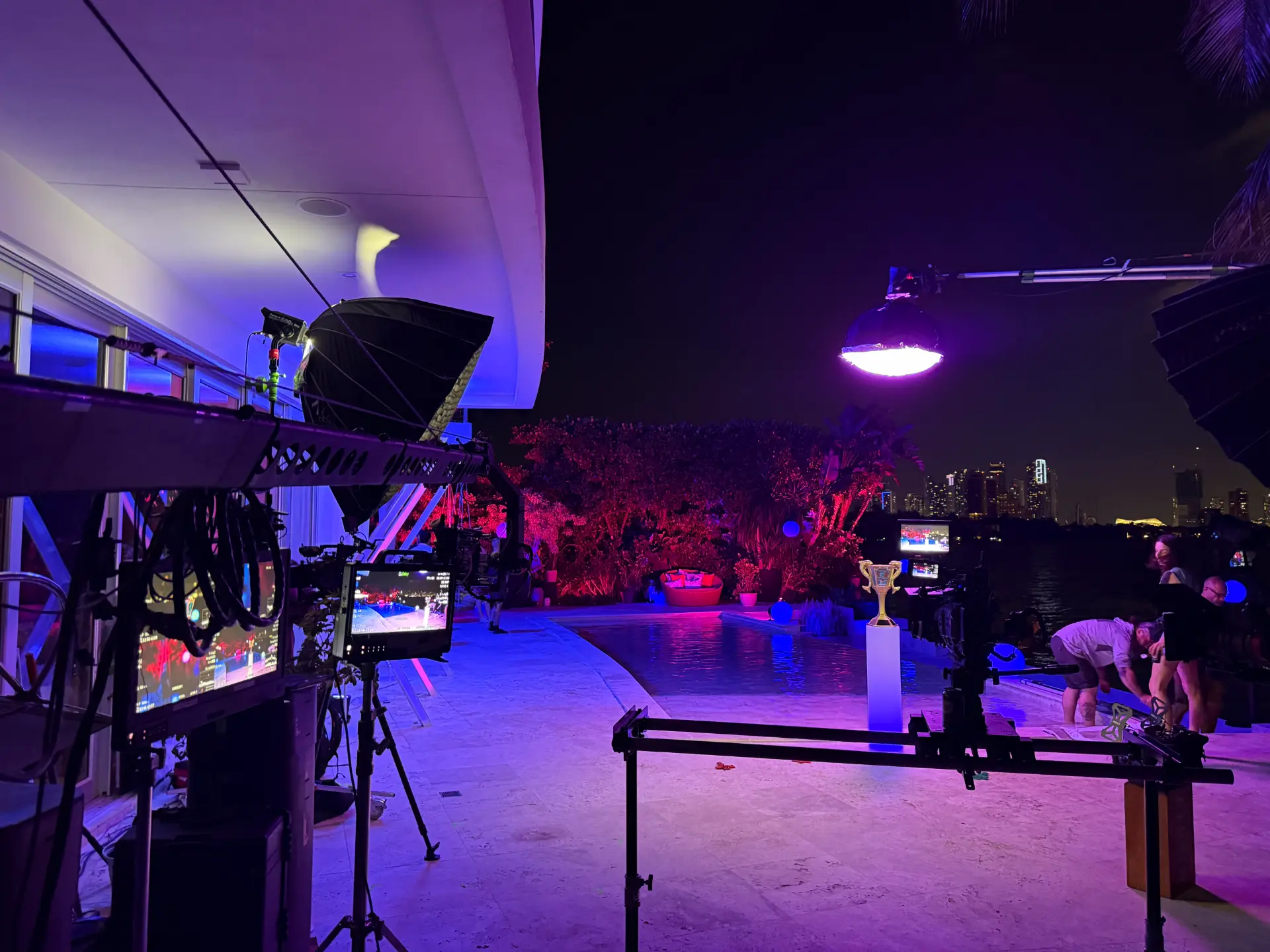
Step 4: Production Timeline Management
The production-life balance is crucial to project success. Scheduling and resource conflicts?are some typical problems. Proper planning and the regular review of such issues upfront keep your project on track, alleviate stress, and allow you to stay focused on the goal.
When it comes?to the production timeline management, essential components would include:
- Shooting Schedule: Define the?dates, times of day, and who is involved in each scene on your schedule.
- Resource Coordination: Ensuring that gear, grip/electric, crew, and talent are all available when they’re?needed.
- Daily Monitoring: Monitoring each day’s shoot to make sure it is running on time, and identifying any workflow issues.
- Reporting: Reporting for?all levels on the current situation and changes.
- Post-Integration: Leaving space for editing, graphics, sound, and approvals.
Through production schedule monitoring and control, you can minimize or eliminate downtime and runaway stress, and stay on target to meet your business goals.
Step 5: The Production Phase
The last stage is creating it. This is the stage for shooting the video and audio, according to scripts and storyboards.
Essential tasks during production include:
- Setup: Cameras, lights, and sound gear are placed.
- Direction: The art of telling talent and crew what to do in scenes.
- Screening: Shooting continuously until enough coverage is accumulated or the best take of the movie image is achieved.
- Monitoring: Framing,?light, and sound during recording.
- Backup: All clips should be preserved during post-production.
It’s at this stage that your brand can work wonders with a professional video production company, helping you feel you’re in capable hands and ensuring the project stays on track, meets your expectations, and stays within budget.
Step 6: Post-Production Workflow
Post-production begins after filming wraps. It’s cutting raw content into a video and then sharing it.
Below are a few key stages within the post-production process:
- Video Cuts: Arrange videos, delete unnecessary content, and create cuts that?will make up the final sequence.
- Sound Editing: Composing music and SFX, mixed sound.
- Motion Graphics &?VFX: Injecting visuals, graphics, and a degree of sizzle into your video projects.
- Color correction: Ensuring consistency and that all photos look professional.
- Feedback & Revisions: Reviewing the drafts and sharing comments.
- Delivery: Creating the output video in various formats for online or offline usage.
A good, clear post-production procedure, as long as the result looks and sounds like your message, is on-brand and follows best practices.
Step 7: Deliverables and Distribution
And after all the post-production work is done, films need to be sent off and shipped out. That, in turn, encompasses providing the client with their finished video in the requested formats and, not to mention, strategies for communicating that across to the right people.
Key considerations include:
- Different Style Options: Facebook, website, or broadcast videos in?different formats.
- Compression & Optimization: Optimization ensures your?files are coded optimally for near-instantaneous streaming, while keeping quality intact.
- Distribution Plan:?Social, email, website, or TV.
- Analytics & Tracking: Keep a watchful eye on engagement?and performance to evaluate ROI.
An effective distribution mechanism is also necessary to ensure the video reaches its intended audience and makes an impact.
Conclusion
You?have to consider every last detail. Going full-service on a video production demands that not only your budget, but also your planning, scheduling, and execution are in check. Understanding video production planning, pre-production workflow, video project budgeting, production timeline management, and post-production workflow can?help brands achieve polished results. Each phase is vitally important because it contributes to meeting video objectives, staying on budget, and being delivered promptly.
Picking a team that understands the entire end-to-end video services process is crucial to an efficient experience, good results, and prompt delivery. Team Unity Media specializes in full-service video production, from concept through delivery. Our professionals works on creativity, expertise, and a plan to create not only videos but also brilliant speaking engagements! With Team Unity Media, companies can trust us to turn ideas into professional videos that drive interest and generate tangible results.
FAQs
1. What is the importance of video production planning?
Pre-production planning is vital because it establishes clear objectives, a target audience, a creative strategy, resource allocation, and a goal that each team member knows to play for. This formal planning helps drive efficiency and enables a project to realise the business benefits it is intended to deliver.
2. How does the pre-production workflow help in video production?
A?pre-production process also consolidates everything you need, from scripts and storyboards to locations, equipment, casting, and schedules. This groundwork helps reduce delays, avoid unforeseen issues, facilitate information exchange, and ensure a smooth, efficient production phase, translating into time and money well spent.
3. Why is video project budgeting necessary?
Budgeting for video projects is a must for managing costs, allocating resources, and preventing overspending. A well-thought-out budget ensures that every part of production, from filming to post-production, is adequately covered in cash without sacrificing quality or project objectives.
4. What does production timeline management involve?
Managing the production timeline?includes setting schedules for all parts of a video project, from pre-production through shooting and post-production. It keeps deadlines, team efforts, and timely completion on track while preventing?bottlenecks, minimizing stress, and maintaining the project focus in line with (client) expectations and product releases.
5. Why is post-production workflow critical?
Post workflow is super important because it turns rough footage into a polished video. Editing, color correction, sound design, visual effects, and graphics all occur during this phase to ensure everything looks and sounds amazing after distribution.


.png)
.png)